What 30-Year NOAA Data Actually Says
Every spring, travelers ask whether the Adriatic is swimmable in May and June. The answer is often clouded by subjective opinions. By examining 30-year NOAA OISST v2.1 satellite climatology, we can replace guesswork with verified thermal measurements.
In physical oceanography, 20.0°C (68.0°F) is the recognized physiological comfort threshold for unassisted recreational bathing. Below 20°C, the water feels crisp and stimulates a mild cold-shock response; above 20°C, the human body adapts quickly for relaxed, extended swimming.
Across Croatia, May sea temperatures average 18.3°C, while Montenegro records 18.9°C. At this level, swimming is thoroughly invigorating, great for a refreshing plunge or post-hike swim, but brisk for lingering. By June, however, the Adriatic warms rapidly: Croatian coastal waters average 22.4°C and Montenegro reaches 23.1°C, crossing decisively into comfortable swimming territory by the first or second week of the month.
The Southern Adriatic Warms First
The Adriatic Sea is not a uniform thermal bath. It spans over 800 kilometers from the Venetian shelf in the north to the Strait of Otranto in the south, creating a pronounced north-south thermal gradient.
The northern Adriatic (encompassing Istria, Kvarner, and the Gulf of Trieste) is shallow and receives substantial cold freshwater runoff from Alpine rivers like the Po. In May, Istrian waters average 17.6°C and reach 22.0°C in June. In contrast, southern Dalmatia (around Dubrovnik) and the Montenegrin coast (Budva and Kotor) benefit from higher solar radiation and closer contact with the deep, warm Ionian basin.
May sea temperatures around Dubrovnik average 19.0°C and climb to 23.0°C in June. Montenegro's southern coast reaches 23.1°C to 23.5°C by mid-June. If swimming comfort is your primary objective in May or early June, booking south of Split gives you a tangible 1.5°C to 2.0°C thermal advantage.
Top Sheltered Coves for May & June Swimming
In spring, wind protection is just as critical as water temperature. The Adriatic's notorious Bora (Bura) wind, a dry, katabatic gale from the coastal mountains, can blow in shoulder season, causing surface evaporation and wind chill. These three verified coves offer optimal natural shelter and accelerated solar heating:
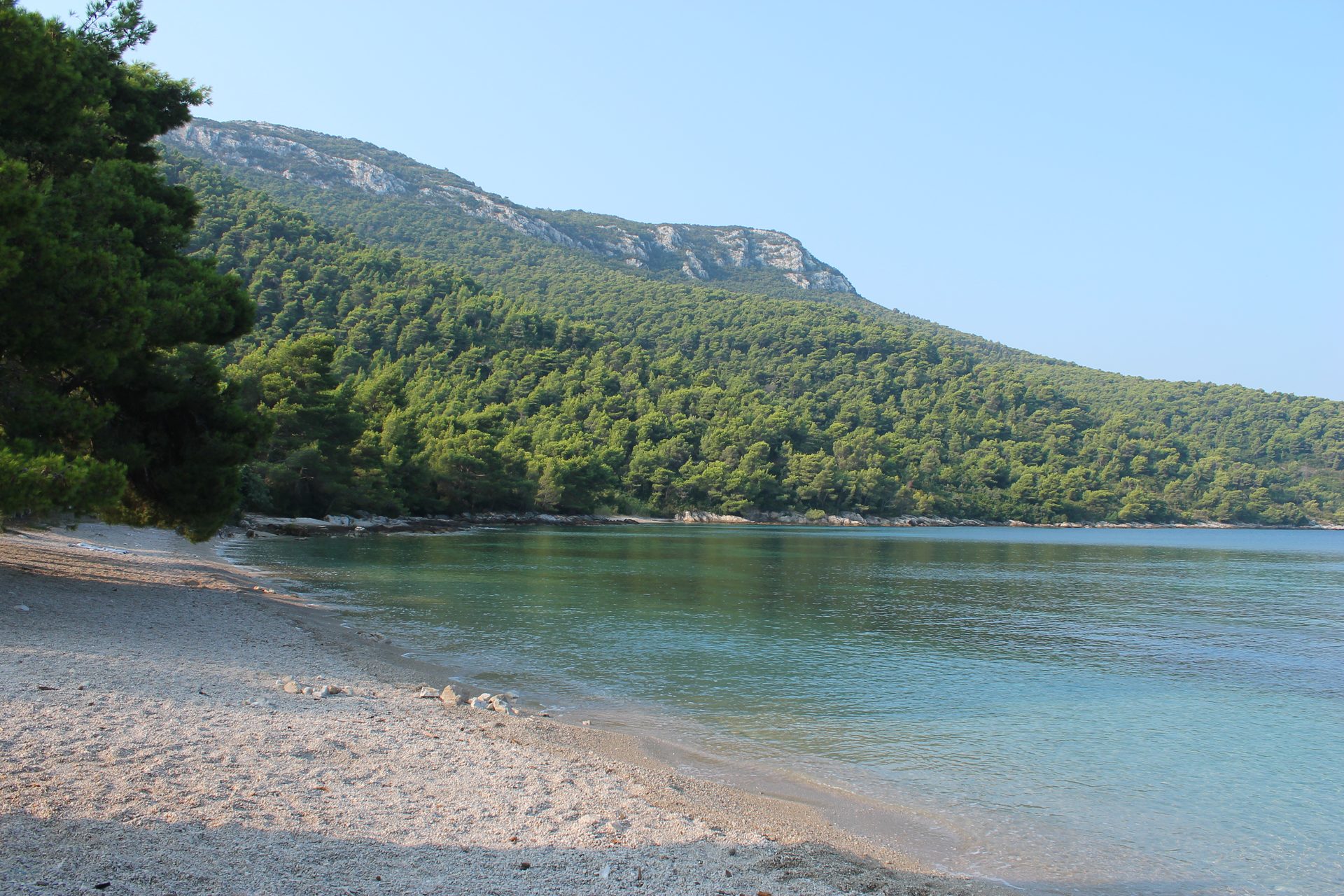
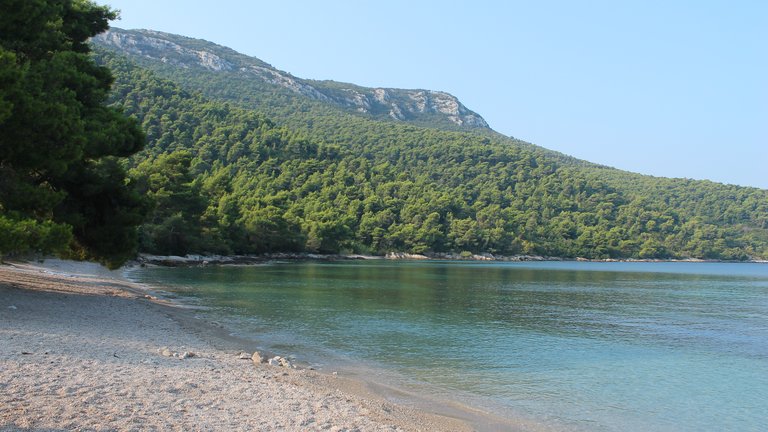
Vučine Beach (Žuljana, Pelješac Peninsula, Croatia): Nestled on the southern flank of the Pelješac Peninsula, Vučine is surrounded by dense pine groves and towering hills that completely block northern gusts. The bay's calm, emerald-turquoise water stays tranquil, allowing the surface layer to heat quickly during sunny May days.
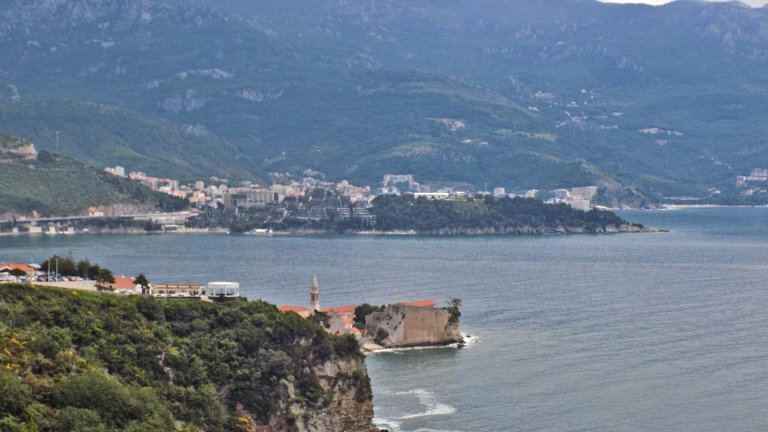
Mogren Beach (Budva, Montenegro): Comprising two twin coves connected by a picturesque tunnel through the cliff, Mogren is backed by steep limestone headlands that shield swimmers from open sea chop and cool spring breezes. By early June, water temperatures here comfortably exceed 23°C.
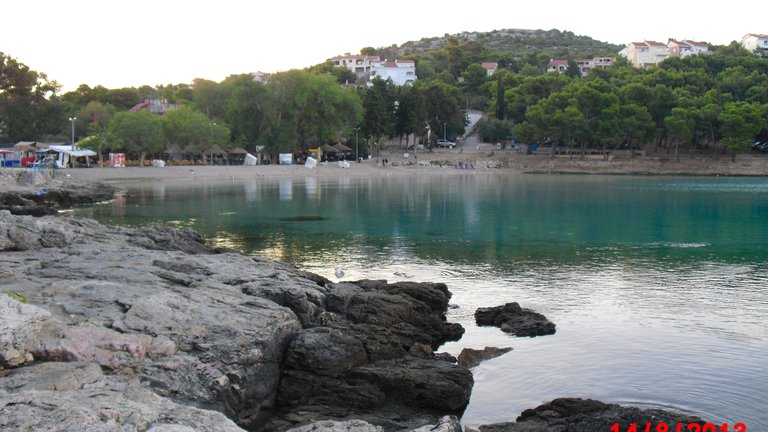
Slanica Beach (Murter Island, Croatia): A wide, gently sloping sandy bay in central Dalmatia. Because of its shallow sandbar and protected orientation between offshore islets, solar radiation warms the shallows noticeably faster than the open channels of the Kornati archipelago.

Why Spring Shoulder Season Is Unbeatable
While July and August deliver peak sea temperatures (24.5°C to 25.5°C), they also bring peak crowds, packed ferries, and peak accommodation pricing. Traveling in late May or June offers distinct advantages that many seasoned travelers consider superior:
Water transparency: Spring Adriatic waters boast extraordinary clarity. Before thousands of commercial yachts, tour boats, and swimmers churn the sediment, visibility often exceeds 25 to 30 meters.
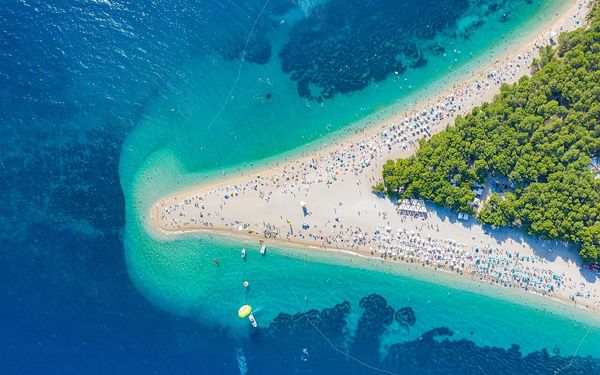
Uncrowded beaches: World-class destinations like Zlatni Rat on Brač or the coves of Budva can be enjoyed with ample personal space, allowing you to appreciate the natural scenery rather than a sea of sunbeds.
Accommodation value: Coastal hotels, villas, and rental cars typically cost 40% to 60% less than peak August rates.
To explore seasonal temperature curves across all 31 countries and 737 beaches, visit our interactive 12-Month Sea Curves matrix on the Shores homepage.
Frequently Asked Questions
Can you swim in Croatia in May? Yes, but expect bracing water. Average May sea temperatures along the Croatian coast hover around 18.3°C (reaching 19.0°C in southern Dalmatia). It is great for invigorating, active swimming, though most bathers prefer short dips rather than prolonged lounging without a light wetsuit.
Is Montenegro warmer for swimming than Croatia in June? Yes. Southern Adriatic coastlines in Montenegro average 23.1°C in June compared to 22.0°C in northern Croatia (Istria), offering noticeably milder swimming conditions earlier in the season.
What winds affect Adriatic swimming in spring? The primary spring wind to watch is the Bora (Bura), a dry, cold northeasterly wind blowing from the coastal mountains. Selecting south- or west-facing coves sheltered by cliffs (such as Vučine or Mogren) minimizes wind chill.