What Blue Flag Actually Certifies
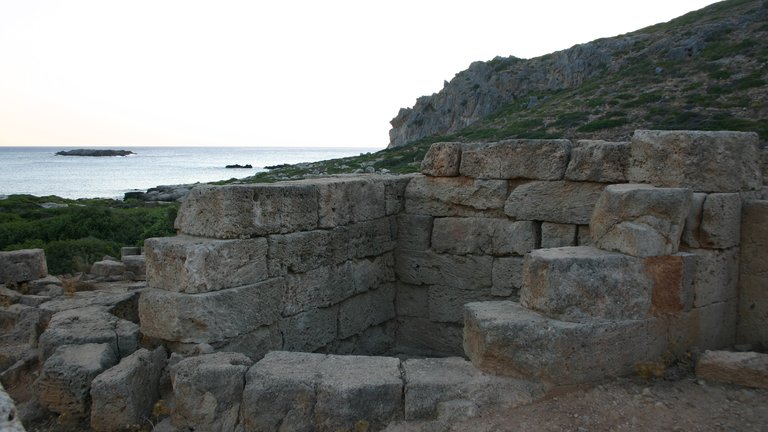
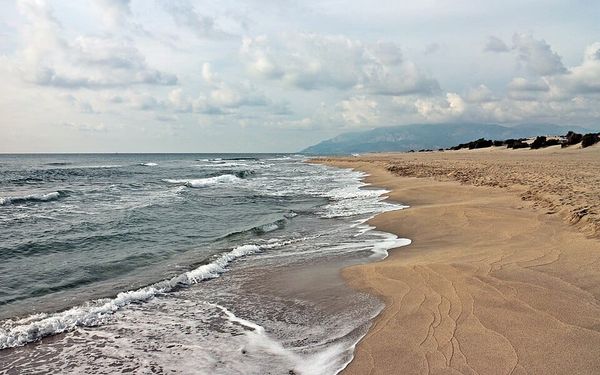
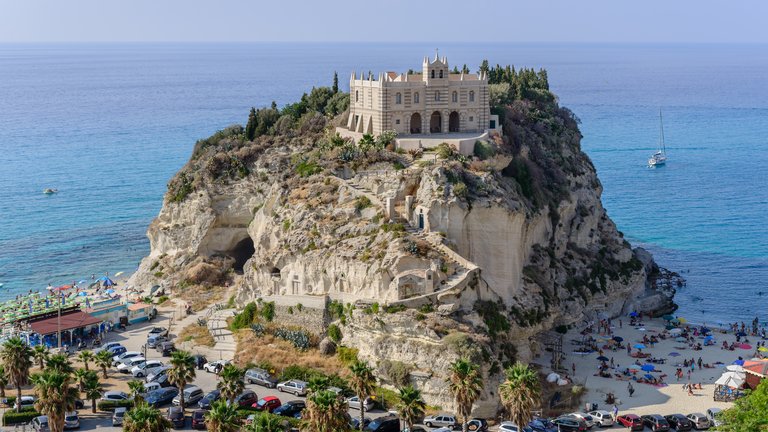
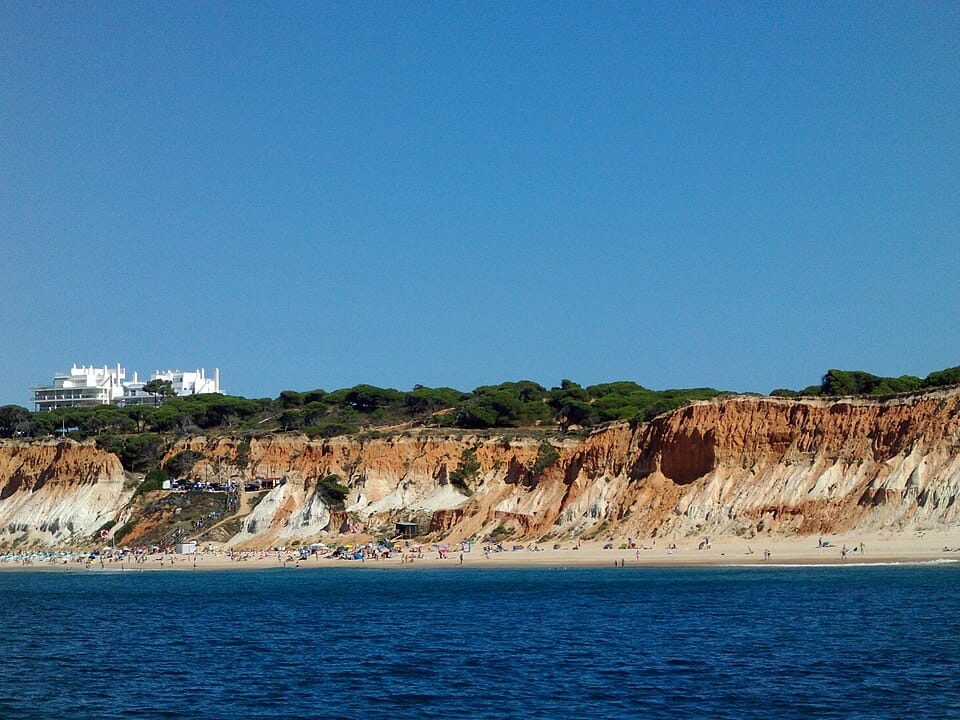
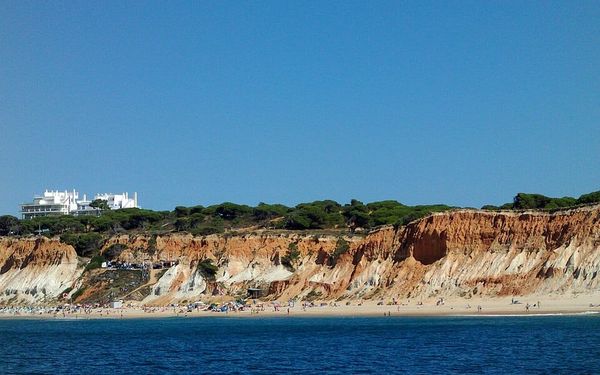
Blue Flag is not an aesthetic award. A beach can be breathtakingly beautiful, with dramatic limestone cliffs, turquoise water, and fine golden sand, and still fail every Blue Flag criterion if it lacks regular water quality testing, accessible life-saving equipment, or adequate waste disposal.
Conversely, an otherwise unremarkable municipal beach with clean water, clean facilities, wheelchair access, and a posted lifeguard schedule can earn the flag easily. It is an operational standard, not a scenery ranking.
The certification is run by the Foundation for Environmental Education (FEE), a non-governmental organization founded in 1981. A beach that holds a Blue Flag for the current season was audited across four core areas: water quality, environmental management, safety and services, and environmental education. If any of those standards slip during the season, the flag can be withdrawn.
The 33 Criteria in Four Buckets
FEE evaluates beaches against 33 individual criteria (some mandatory, some guideline). For a traveler, they break down into four practical considerations:
1. Water Quality: The beach must comply with strict water quality sampling requirements. In the EU, this means meeting the 'Excellent' standard under the EU Bathing Water Directive, with independent laboratory testing conducted at regular intervals throughout the bathing season. No industrial or sewage discharge may affect the coastal area.
2. Environmental Management: The beach operator must maintain waste-disposal bins and recycling facilities, keep the sand clean, maintain sanitary facilities with controlled sewage disposal, and enforce regulations against unauthorized camping or driving on the beach.
3. Safety and Services: Adequate numbers of certified lifeguards and/or lifesaving equipment must be present during the posted bathing season. First aid equipment, emergency action plans, safe drinking water, and at least one wheelchair-accessible beach per municipality are mandatory.
4. Environmental Education: The beach must display information about the local coastal ecosystem, publish bathing water quality results publicly on-site, and offer at least five environmental education activities to the community each season.

How to Use It When Planning a Trip
A Blue Flag is one of the most reliable filters you can apply when traveling with children, older relatives, or anyone who values safety infrastructure. It guarantees lifeguards during posted hours, clean restrooms, easy first-aid access, and independently verified water quality.
Where it falls short: because the certification requires significant municipal investment in regular water testing, staffed lifeguards, and accessible facilities, many of Europe's most pristine, secluded wild coves never apply. A remote beach accessible only by hiking trail or boat will rarely have a Blue Flag, regardless of how clean its water is.
Use the flag as a positive filter (if it has the flag, water and safety are verified), but don't treat its absence as a negative indicator for wild, unserviced beaches.
Where the Concentrations Are
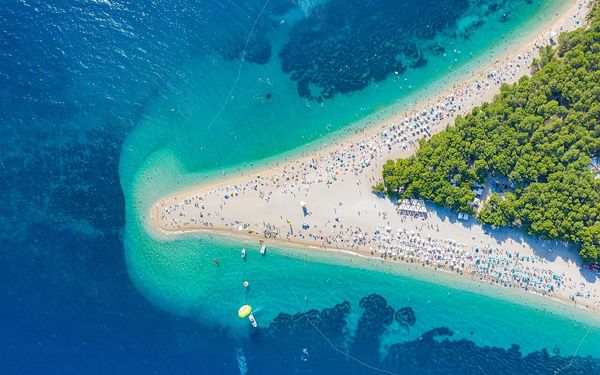
Blue Flag beaches are concentrated in Spain, Greece, Turkey, Croatia, Portugal, and Italy, though the program has certified beaches as far as Montenegro and Albania in recent seasons as those coastlines have expanded municipal water-testing infrastructure.
Explore the full, filterable directory of certified beaches across Europe with verified water temperatures and travel guides.

Frequently Asked Questions
Does Blue Flag certification expire? Yes, it is awarded per season and re-audited annually; a beach can lose it if water quality or safety standards slip.
Is Blue Flag the same everywhere in the world? The criteria are standardized by FEE internationally, though water quality testing follows the applicable regional standard (EU Bathing Water Directive within the EU).
Are Blue Flag beaches always the best beaches? Not necessarily. It is a safety, cleanliness, and management certification, not a scenery ranking. Many secluded or boat-access-only coves are stunning but uncertified because they lack the municipal infrastructure to apply.