Why Bathymetric Gradient Matters
Sardinia's coastline is celebrated for dramatic granite coves and cliff-backed water, which is often the wrong profile for young kids. A smaller set of beaches on the island break that pattern: genuinely shallow, sandy-bottomed, and gently sloping.
According to 30-year NOAA climatology, Sardinia's summer sea temperatures average 25.5°C to 26.2°C in August, making these sheltered shallows delightfully warm bathwater for toddlers.
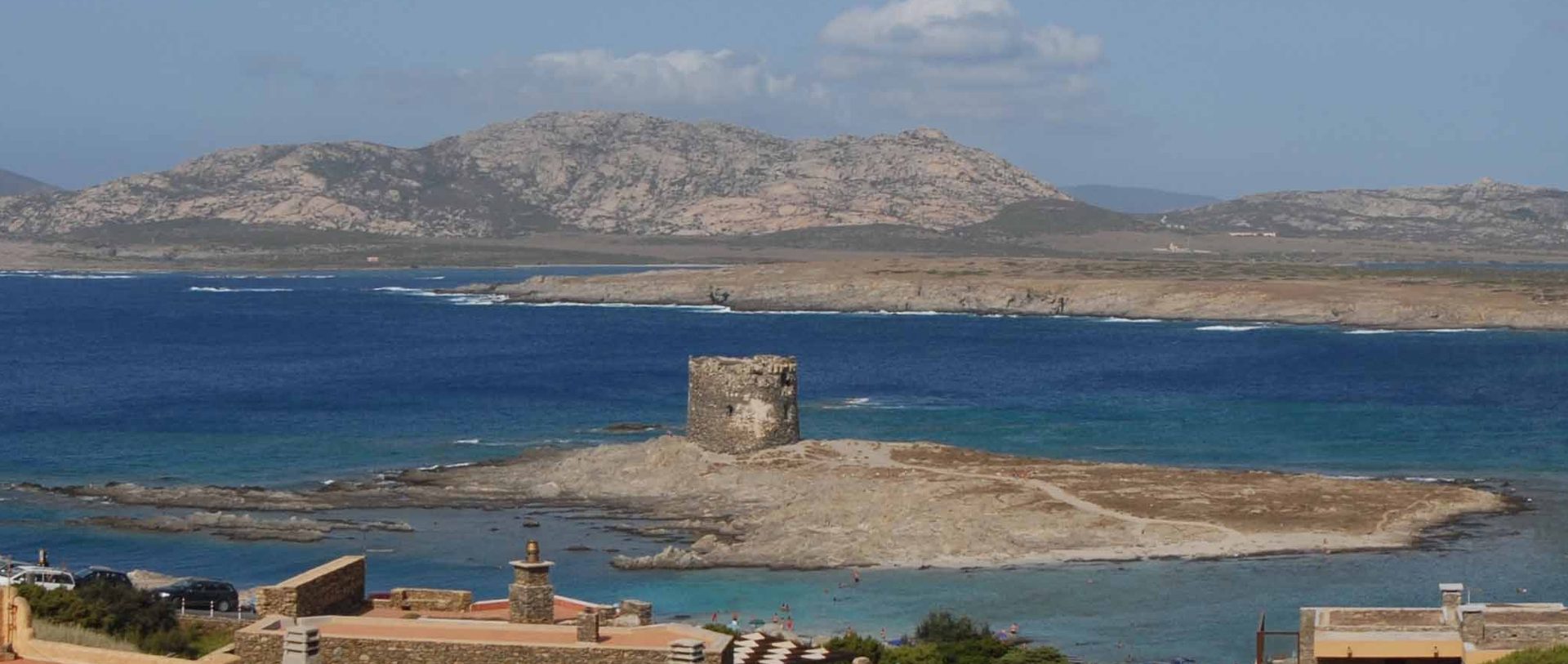
La Pelosa: The Caribbean of the Mediterranean
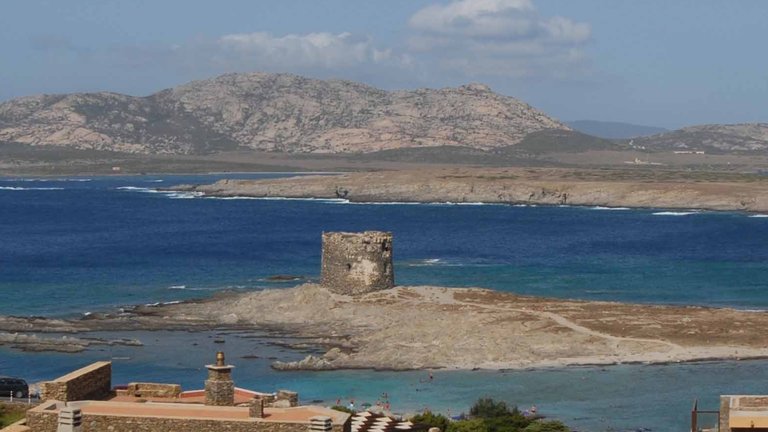
Northwest Sardinia's shallow, turquoise lagoon is the island's best-known family beach for good reason: an extraordinarily gradual entry and calm, protected water sheltered by Isola Piana and Asinara.
It has become popular enough that access is capped via a paid municipal booking system during peak season. You must reserve your spot online before arriving, and use a straw mat under your beach towel to prevent sand erosion.

Cala Brandinchi: Ultra-Shallow Sand
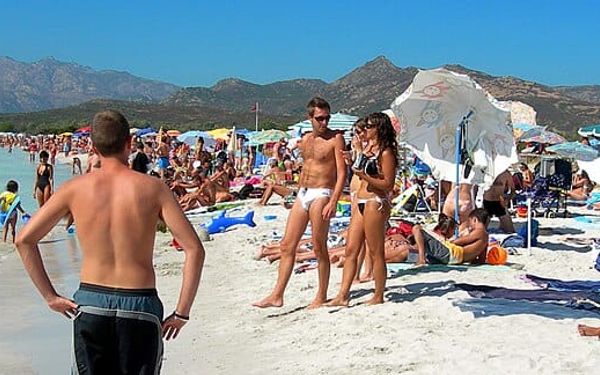
On the northeast coast near San Teodoro, Cala Brandinchi is often nicknamed 'little Tahiti' for its powdery white sand and transparent shallows that remain ankle- to knee-deep for fifty meters from shore.
Pine groves behind the sand provide natural midday shade, an invaluable asset for families managing nap times and sun exposure.
Chia & Tuerredda: Southern Sandbars
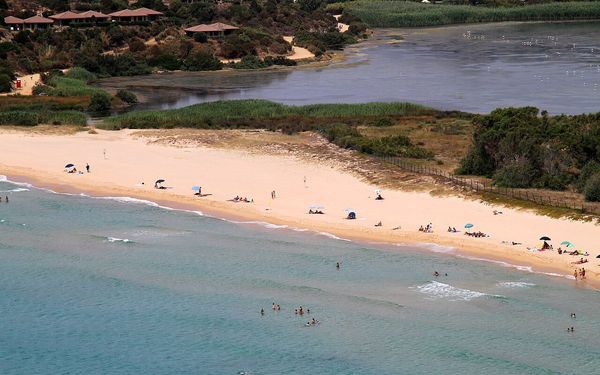
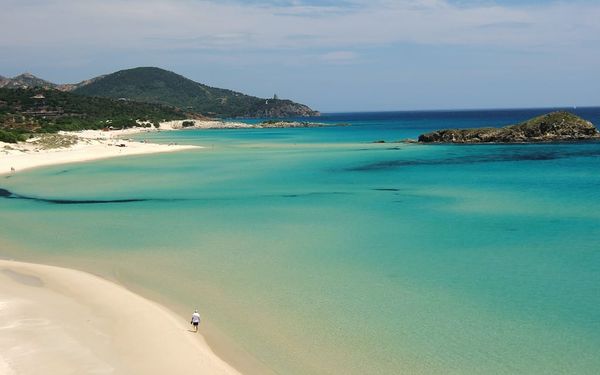
Southern Sardinia's coast around Chia (Su Giudeu) features wide dune-backed beaches with soft golden sand and a forgiving shallow slope, far more approachable for children than the sheer limestone drop-offs of the eastern gulfs.
Nearby Tuerredda sits in a V-shaped cove sheltered from open swell, offering glass-clear water and a gentle sandy seabed.
Wind Exposure & The Mistral
Sardinia is genuinely windy by Mediterranean standards, particularly when the northwesterly Mistral blows across the western and northern coasts.
A beach that is glassy calm in the morning can develop meaningful chop by afternoon, which matters much more for small children than for adult swimmers. Checking a same-day wind forecast allows you to choose between east- and west-facing coves depending on the wind angle.