The Balearic Masterclass: Mallorca & Menorca
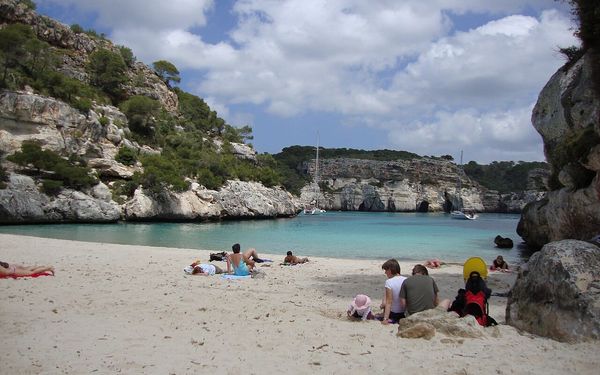
The Balearic archipelago remains the gold standard for Mediterranean versatility. Mallorca balances dramatic Serra de Tramuntana mountains with Caribbean-style white sands at Es Trenc and sheltered turquoise inlets like Caló des Moro.
In neighboring Menorca, a designated UNESCO Biosphere Reserve, development restrictions have preserved untamed pine forests framing turquoise calas like Cala Macarelleta and Cala Turqueta. Menorca is ideal for travelers seeking unspoiled swimming and peaceful coastal walks along the historic Camí de Cavalls.

The Cycladic Duet: Cosmopolitan Mykonos vs Volcanic Milos
Greece’s Cyclades islands offer two contrasting summer archetypes. Mykonos delivers world-renowned beach club energy, Michelin-caliber seaside dining, and vibrant nightlife centered on Psarou, Super Paradise, and Paraga.
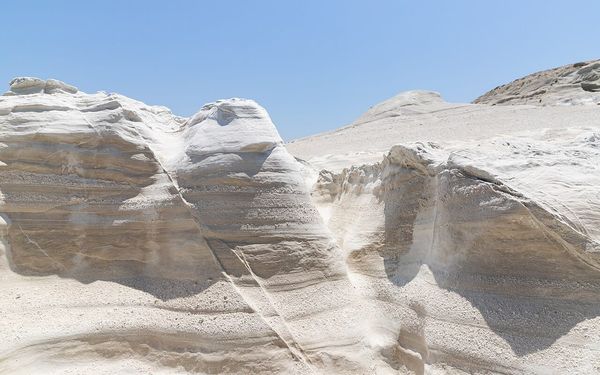
For travelers seeking geological wonder and tranquil coves, the volcanic island of Milos features bone-white chalk formations at Sarakiniko, multi-colored sea caves at Kleftiko, and sheltered pastel sands at Firiplaka.
Pairing both via a 2-hour Aegean SeaJets ferry creates the ultimate 2026 island-hopping itinerary.

French Riviera Elegance & Corsican Wilds: Saint-Tropez to Porto-Vecchio
The French Mediterranean blends cinematic coastal glamour with untamed island nature. Along the Côte d’Azur, Pampelonne Beach in Saint-Tropez offers five kilometers of golden sand lined with iconic open-air beach clubs and yacht anchorages.
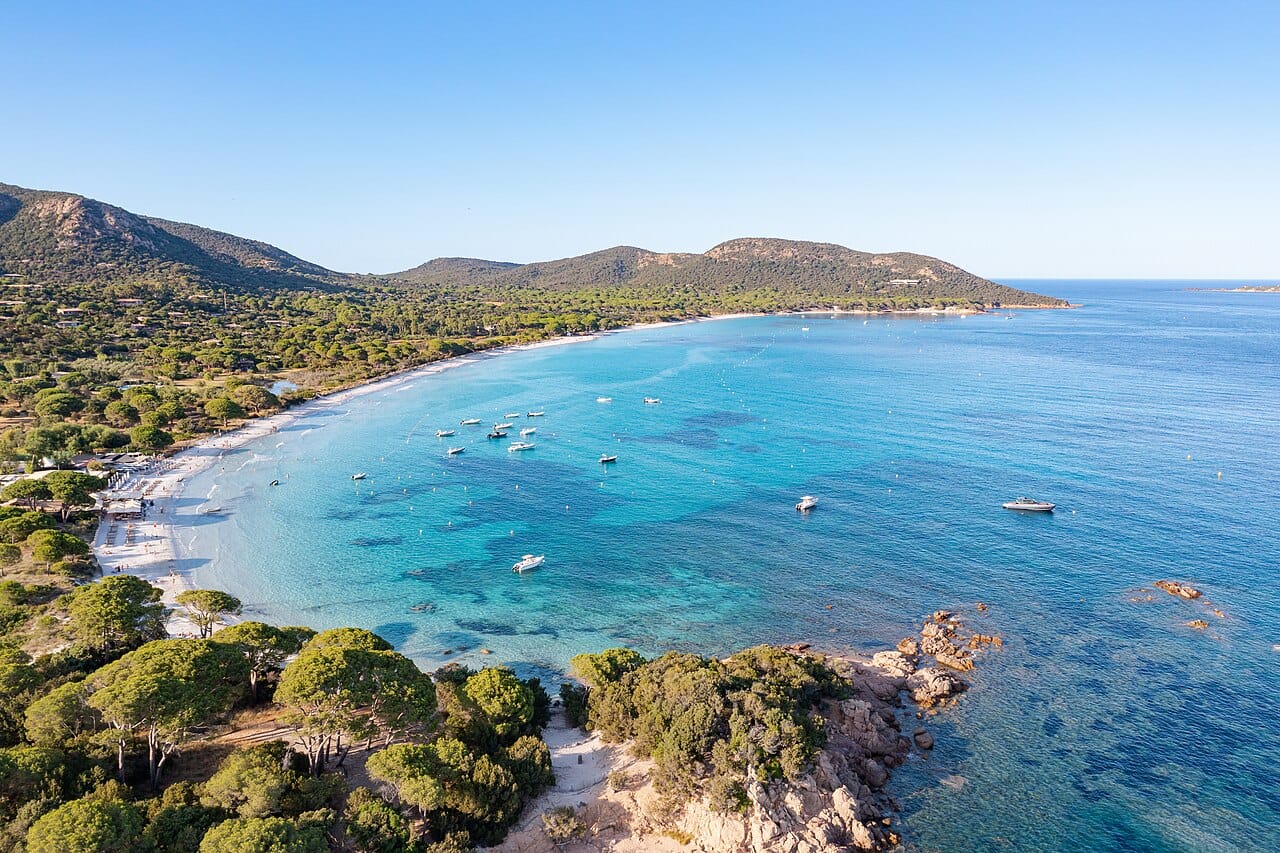
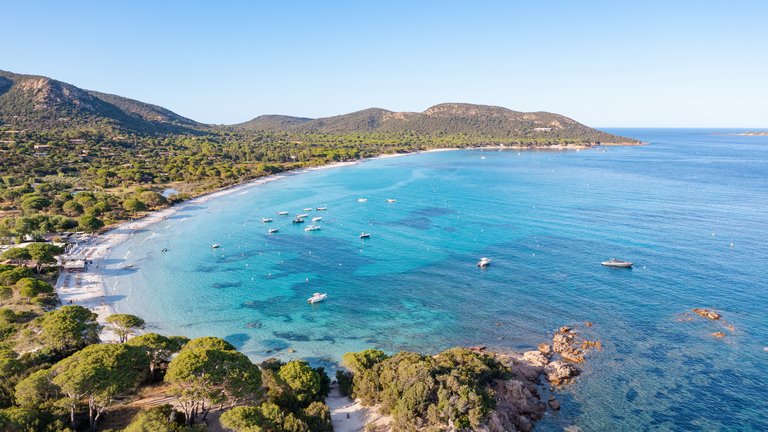
Across the Ligurian Sea, Corsica reveals Europe’s most dramatic island topography. In the south near Porto-Vecchio, Plage de Palombaggia and Santa Giulia feature shallow, crystal-clear azure lagoons framed by pink granite boulders and umbrella pines, rivaling the tropics.

The Golden Atlantic: Portugal’s Algarve Coastline
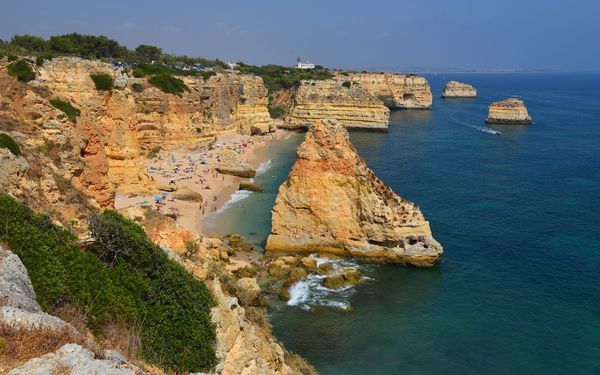
Portugal’s southern coast combines Atlantic drama with sunny microclimates. The central Algarve between Lagos and Albufeira is characterized by towering ochre limestone sea stacks, hidden grottos, and golden beaches like Praia da Marinha and Praia do Camilo.
Further west in the Costa Vicentina Natural Park, wild Atlantic surf beaches like Arrifana and Bordeira offer world-class waves and fresh grilled seafood tavernas free from mass tourism.

The Year-Round Atlantic Outposts: Canary Islands
For travelers planning early summer or autumn escapes, the Spanish Canary Islands provide guaranteed warm Atlantic temperatures and dramatic volcanic landscapes.
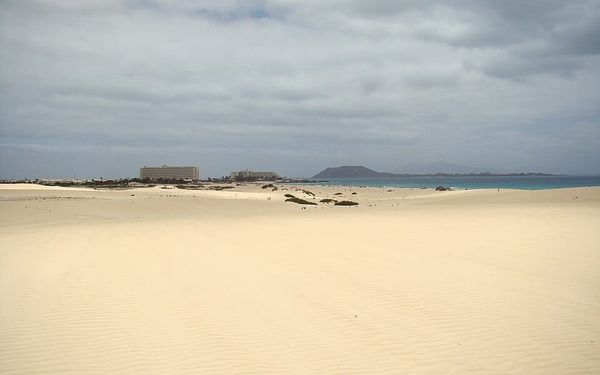
Fuerteventura’s Grandes Playas de Corralejo features vast rolling sand dunes meeting turquoise waters, while Lanzarote’s Famara and Tenerife’s Benijo offer dramatic volcanic backdrops for swimming and watersports.
The 2026 Summer Travel Playbook: Water Temperatures, Crowd Timing & Transport
Sea surface temperatures across the Western Mediterranean and Aegean reach their annual peak between late July and mid-September, consistently holding between 24°C and 27°C.
For high-demand island destinations like Mykonos, Mallorca, and Saint-Tropez, June and September offer approximately 85% of peak water warmth with half the crowd density and substantially lower lodging rates.
Advance logistics are critical during peak summer. Reserving ferry crossings and rental vehicles four to six weeks early ensures availability and avoids inflated walk-up airport rates.
All 6 Featured Beaches