1. European Winter Climatology: Where Is It Genuinely Warm?
Across mainland Europe, winter sea surface temperatures drop precipitously: the English Channel and North Sea average 6°C–9°C, while the northern Mediterranean (French Riviera, Adriatic, northern Spain) hovers around 12°C–14°C.
However, Europe’s southernmost outposts, specifically the Macaronesian archipelagos (Canary Islands, Madeira) and the eastern Mediterranean basin (Cyprus), benefit from subtropical latitudes and maritime regulation, maintaining daytime highs of 20°C–24°C and ocean temperatures between 18.0°C and 21.0°C.
2. Canary Islands (19°C–21°C): Europe’s True Year-Round Haven
Situated at 28° north latitude off the Sahara Desert, the Canary Islands are Europe’s only genuine winter beach haven. The prevailing northeast trade winds are gentle in winter, and solar irradiance remains strong with 6 to 7 hours of daily sunshine even in January.
Water temperatures remain remarkably stable: 21.5°C in December, 20.2°C in January, and 19.5°C in February, allowing comfortable swimming and watersports throughout the winter months.

3. Tenerife & Gran Canaria: Golden Sand & Subtropical Oceans
In southern Tenerife and Gran Canaria, massive volcanic peaks (such as Mount Teide) block northern cloud cover, creating exceptionally warm, dry microclimates.
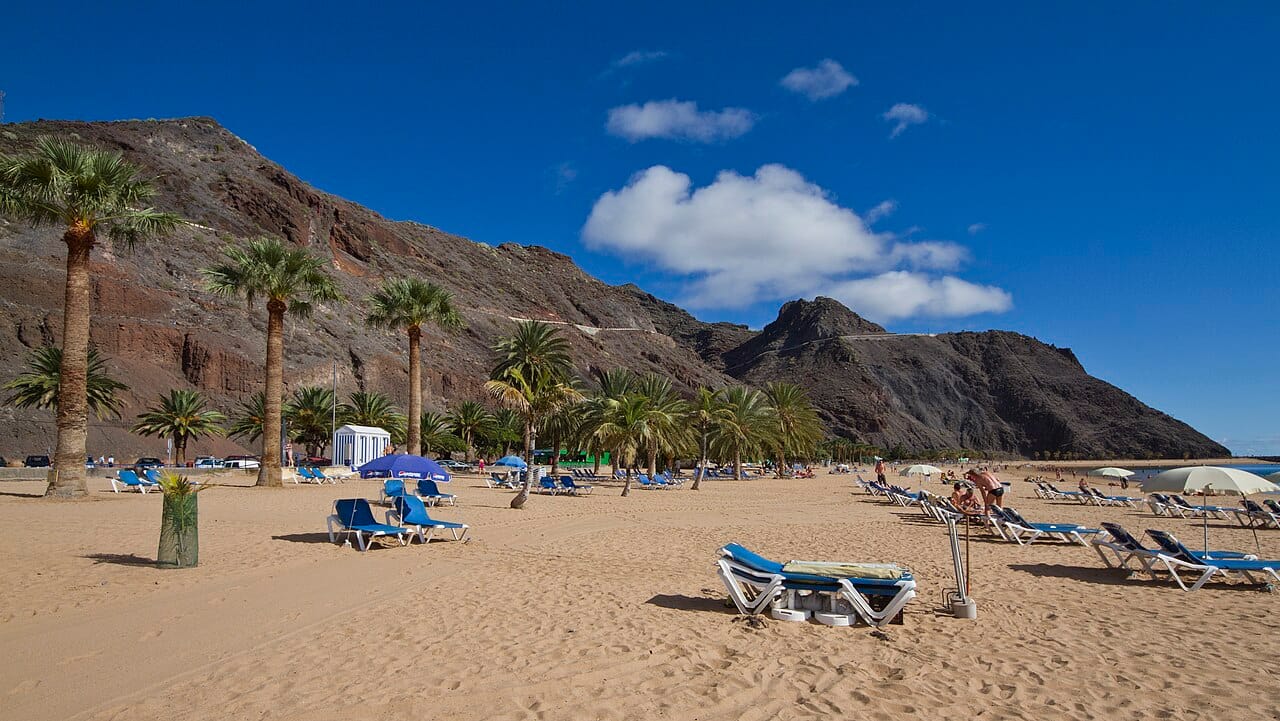
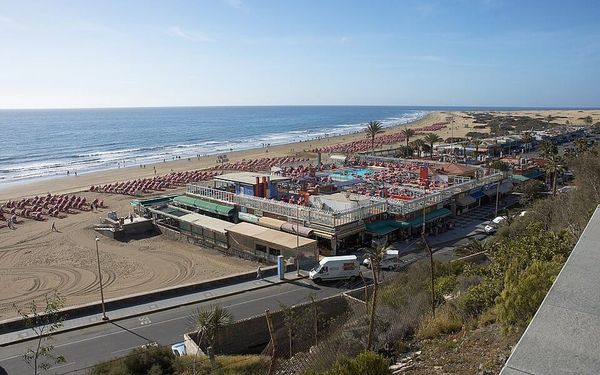
Playa de las Teresitas (with its golden Sahara sand and calm breakwater) and the sweeping dunes of Playa de Maspalomas offer sunbathing and effortless swimming while the rest of Europe is under frost.
4. Fuerteventura & Lanzarote: Turquoise Lagoons & Desert Sun
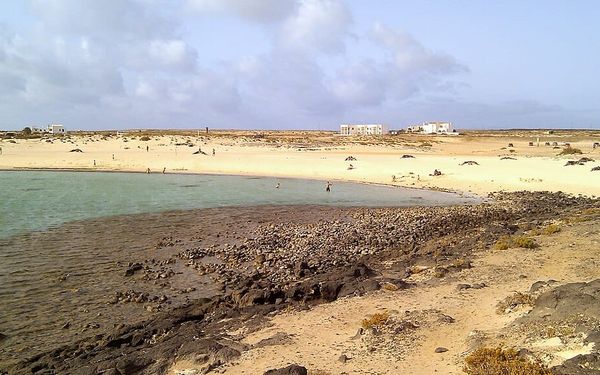
Fuerteventura boasts Europe’s largest natural sand dune systems and vast turquoise lagoons. At El Cotillo and Corralejo, sheltered reef lagoons provide calm, warm pools perfect for winter swimming and snorkeling.
Lanzarote’s Papagayo coves, protected within a natural monument, offer dramatic golden cliffs and emerald water with low wind exposure.
5. Madeira & Cyprus: Mild Winter Sun & Coastal Walks
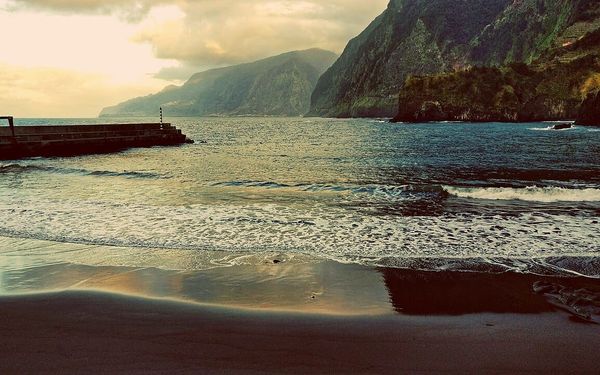
While Madeira's sea is slightly cooler (18.0°C–19.0°C in winter), its sheltered black sand coves like Praia do Seixal and volcanic tidal pools at Porto Moniz provide invigorating winter swimming framed by lush green cliffs.
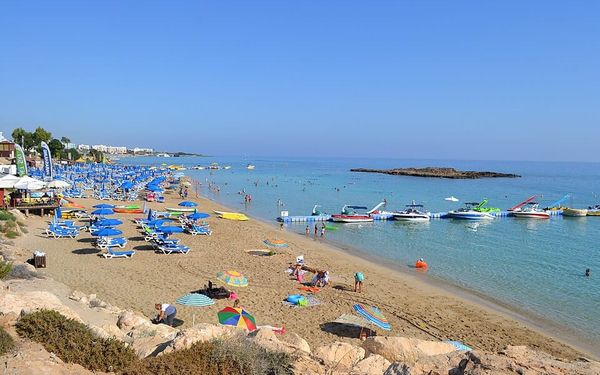
In the eastern Mediterranean, Cyprus experiences Europe’s mildest winter climate with daytime highs frequently reaching 19°C–21°C in January. While water temperatures (17.0°C–18.0°C) require acclimation, its beaches offer serene winter sunbathing and walking.


6. Winter Beach Trip Logistics & Packing Essentials
For winter beach vacations, always stay on the southern/southwestern coasts of islands to maximize sunshine and avoid northern trade winds.
Pack summer beachwear for midday alongside a light jacket or fleece for evenings when temperatures drop to 15°C–17°C after sunset.