Mallorca vs Costa Blanca (Alicante): Which Spanish Coast Has Better Beaches?
Mallorca excels in dramatic cliffside calas, pristine island water clarity, and scenic Tramuntana coastal drives. Costa Blanca offers expansive golden city beaches in Alicante and Benidorm, sheltered deep-water snorkeling bays in Jávea, and lower average daily budgets.
Direct Coastal Comparison
Mallorca
Costa Blanca (Alicante)
12-Month Sea Temperature Comparison (30-Year NOAA Baseline)
Comparing average coastal ocean temperatures month by month to help you choose the best time for swimming.
Top Beaches: Mallorca vs Costa Blanca (Alicante)
Featured Mallorca Coves


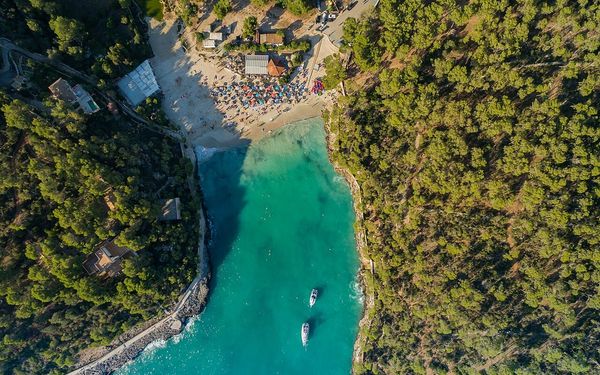
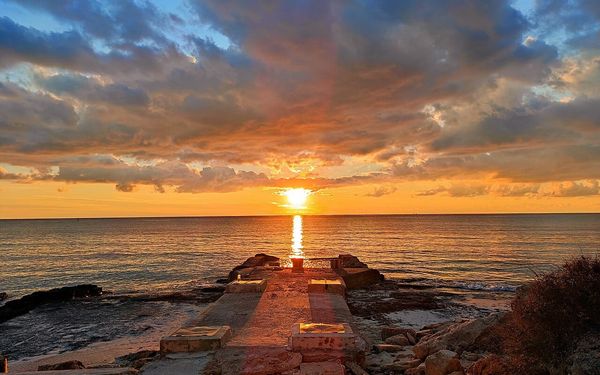
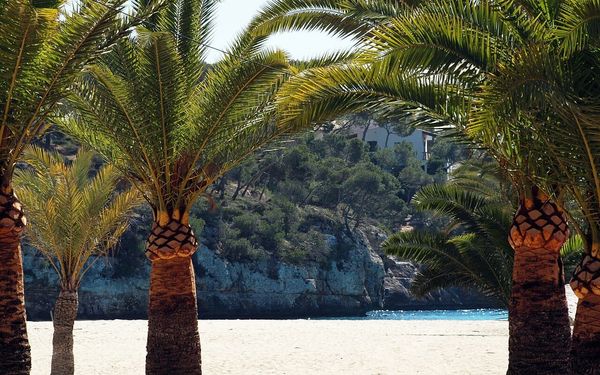
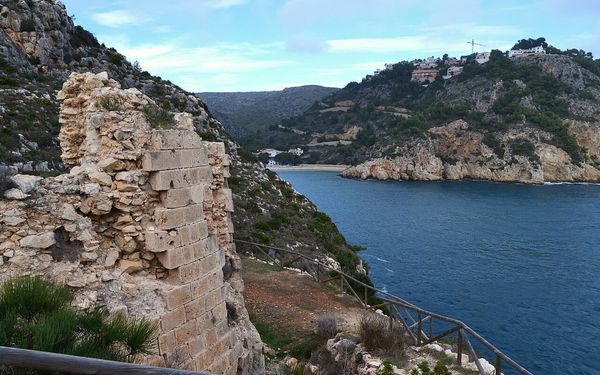
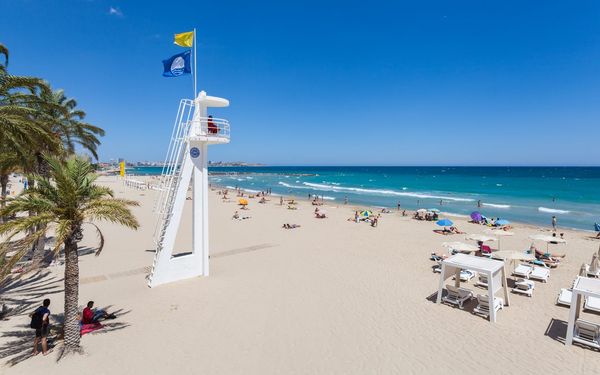
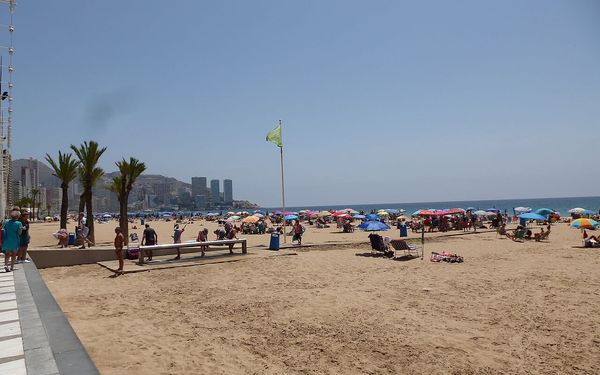
Featured Costa Blanca (Alicante) Coves
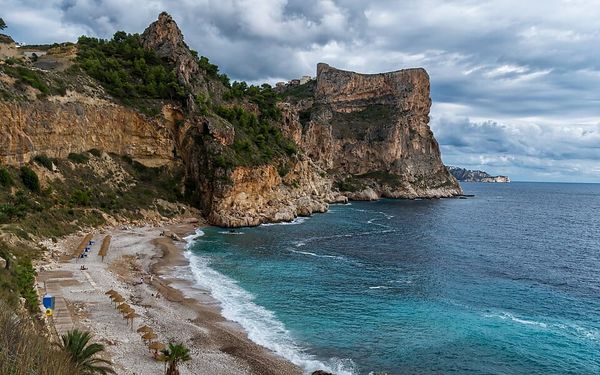
Direct Answers: Mallorca vs Costa Blanca (Alicante)
Q: Is the water warmer in Mallorca or Costa Blanca (Alicante)?
Based on 30-year NOAA satellite records (1991–2020 climatology), Mallorca has slightly warmer water, peaking at 26.5°C in August (+0.3°C warmer than Costa Blanca (Alicante) at 26.2°C). Both destinations provide comfortable swimmable water (≥20°C) during their peak summer seasons.
Q: Which destination is more affordable: Mallorca or Costa Blanca (Alicante)?
Mallorca is generally more budget-friendly, with estimated starting daily budgets around €50/day (including coastal stays from €50/night), compared to approximately €54/day in Costa Blanca (Alicante).
Q: Which has better sandy beaches: Mallorca or Costa Blanca (Alicante)?
Mallorca offers 88% sandy coastlines with an average water clarity rating of 4.7/5.0 across 8 verified beaches. Costa Blanca (Alicante) features 50% sandy shores with an average water clarity of 4.6/5.0 across 4 beaches. Verdict: Mallorca for untamed limestone coves and island road trips; Costa Blanca for sprawling golden sands and budget-friendly mainland access.
Q: When is the best time to visit Mallorca vs Costa Blanca (Alicante)?
The ideal travel window for both coastlines is June to October, when sea temperatures and coastal weather provide peak beach conditions.